You are visiting our site with an outdated and less secure browser. As a result, the website may not work optimally. We recommend visiting our site with a different browser such as Google Chrome or Mozilla Firefox.
At Nauta, we take pride in our own brand, Sistec, which combines security and versatility with in-house design and production. We develop the safes entirely under our own management, enabling us to provide customised solutions tailored to specific customer needs.
The quality of Sistec safes is assured by the ECB-S certificate, an internationally recognised mark of quality. Our factories are regularly inspected by this independent certification body, ensuring that your safe meets the highest safety standards and is always accepted by insurers.
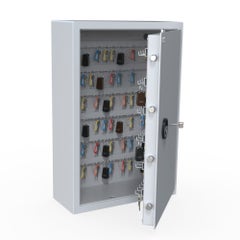
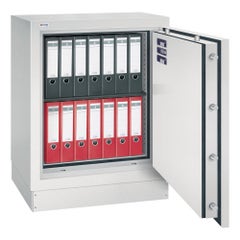
With over 40 years of experience, Sistec is a well-established name in Germany, offering a wide range of burglar-resistant, fire-resistant, and key safes, as well as archive and data safes. Sistec stands for quality you can trust.
Burglar resistance standard
Good burglar safes and lockers have been tested according to European standards such as EN 14450, EN 1143-1 en EN 1143-2 (European standard for deposit vaults). The Resistance class is determined by several factors, such as metal thickness of the wall and vault door and additional retardant factors that are incorporated into the walls.
Rating Cash Valuables (cash/valuables)
Insurers apply a rating, expressed as a cash value, to the various classes of protection that safes offer to indicate the cover provided. The higher the value, the more burglar resistant the safe is.
Fire resistance standard
Good fire-resistant safes and cabinets have been tested in accordance with European standards like EN 1047-1, EN 15659 and UL 72. For the extra strict fire fall test (EN 1047-1 and UL 72), a fire resistant safe is dropped about 9.15 metres to show that the contents would still be protected from the effects of fire if the safe fell through a floor.
Fire resistance in minutes
A fire resistant safe is specially constructed to protect the contents from the effects of fire for a certain period of time. The protection offered is expressed in time: 30, 60 or 120 minutes. These are the lengths of time a safe has to offer protection against a fire before the safe reaches the critical temperature.